
Picking the Right Validator and Managing Your Solana Portfolio on Mobile
So I was thinking about how crazy it is that staking on Solana has gotten so user-friendly lately, right? Seriously, just a few years ago, managing validators and tracking your portfolio felt like juggling flaming torches—dangerous and confusing. Now, the whole process fits in the palm of your hand. Whoa! But here’s the thing: not all wallets or apps are created equal, especially when it comes to security and ease of use for validator selection.
My first impression was that mobile apps for staking might be too limited, but actually, they’ve come a long way. It’s pretty wild how you can now pick a validator, delegate tokens, and watch your rewards accumulate without ever opening a desktop browser. I’m talking about real convenience, not just hype. Though, I gotta admit, some parts still feel a bit clunky or unclear.
Here’s what bugs me about a lot of crypto wallets: they either cram way too many features in, making the UI overwhelming, or they’re too barebones for serious users. Finding that sweet spot—especially for Solana—is tricky. So I dug into the mobile apps that are actually nailing this balance, and Solflare keeps popping up.
Okay, so check this out—using Solflare’s mobile interface to pick validators is surprisingly intuitive. They let you filter validators by performance metrics, commission rates, and even community reputation, which is pretty very important if you don’t want to accidentally stake with a bad actor. Something felt off about some validators when I first started, like their uptime stats looked too good to be true… but Solflare’s transparency tools help sniff out the fakes.
On one hand, you want the validator with the lowest fees to maximize rewards, though actually, sometimes paying a bit more means better security and more consistent payouts. It’s a trade-off that’s easy to overlook if you just glance at numbers.
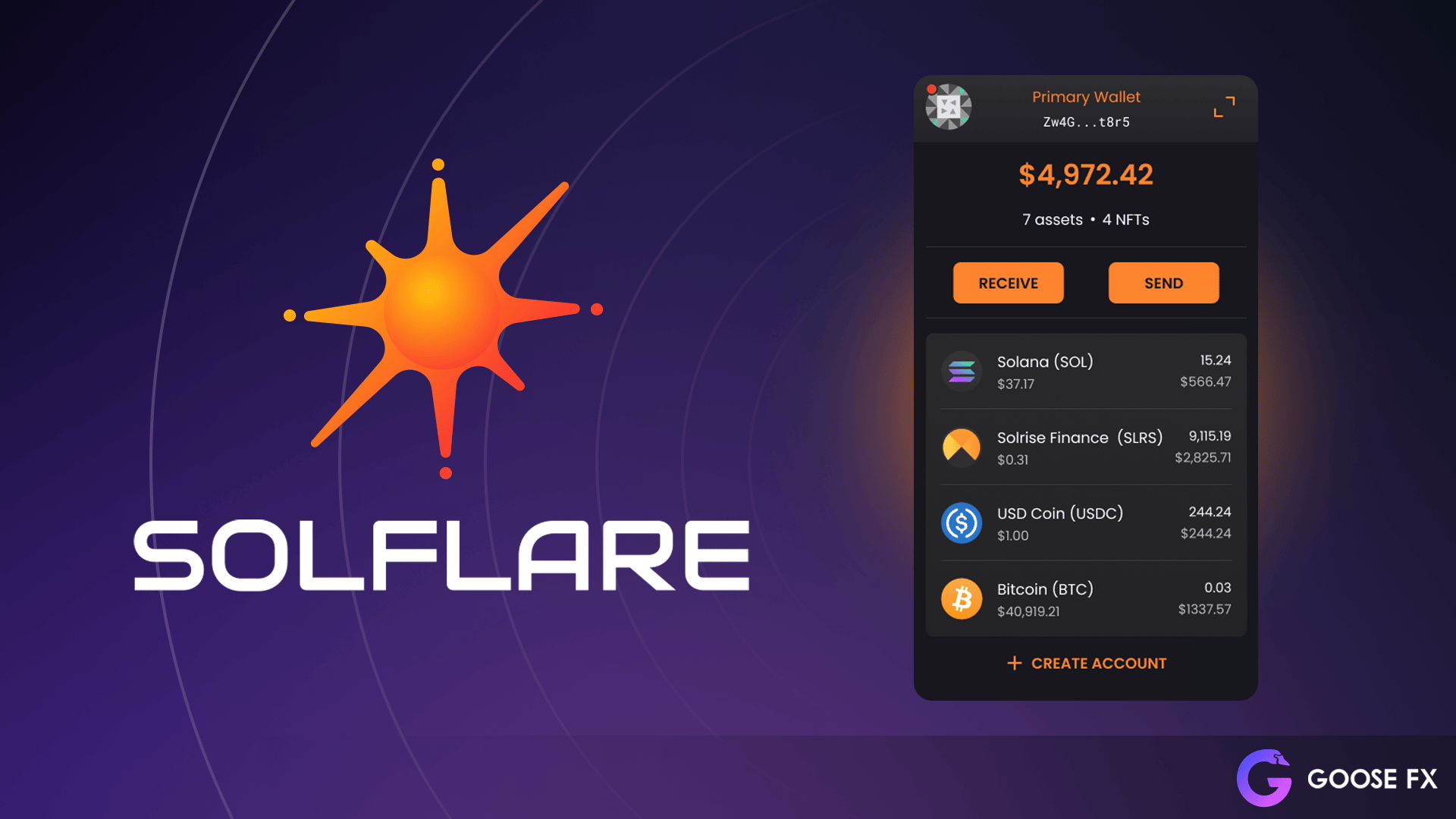
And portfolio tracking? Man, it’s a game-changer now. I remember juggling spreadsheets and multiple tabs to keep tabs on my Solana holdings. Now? You can see everything—staking rewards, token balances, NFT assets—all in one dashboard on your phone. The real kicker is when you combine that with in-app transaction history and real-time price alerts. It’s like having a mini trading desk wherever you go.
Personally, I’m biased, but I find using the solflare wallet download on mobile has helped me stay on top of my Solana game. The app syncs seamlessly with the desktop version, too—so if you’re switching between devices, you’re not lost in the weeds. Plus, the security features are robust without being a headache: biometric logins, encrypted keys, and frequent updates.
Hmm… initially, I thought mobile wallets would sacrifice security for convenience, but Solflare’s approach seems to prove otherwise. They keep the private keys on your device, never on a server, which is reassuring. Still, I’m not 100% sold on trusting any app fully—hardware wallets are king—but for day-to-day staking and quick moves, this feels solid.
Here’s another angle: validator selection isn’t just about fees or uptime. Community engagement matters. Some validators support ecosystem growth, fund projects, or offer educational resources. Solflare’s app often highlights this, making it easier to align your stakes with values, not just profits. I like that—it makes the whole staking experience feel less transactional and more participatory.
That said, some features could be smoother. The UI sometimes lags when loading large portfolios or switching between tokens, especially on older phones. And the notification system for rewards could be more granular. But I guess that’s just part of the growing pains as mobile crypto apps evolve.
Why Validator Choice on Mobile Matters More Than Ever
Look, staking Solana isn’t just some passive thing anymore. With DeFi and NFT projects booming on Solana, validators can influence network health and governance in subtle ways. Choosing a validator through a mobile app means you’re making those choices on the fly, which is powerful but risky. You want a wallet that gives you enough data to make informed decisions without drowning you in jargon.
Solflare’s mobile tools do a pretty nice job balancing that. They break down validator stats into digestible chunks—uptime, commission, active stake size—plus user reviews and community votes. It’s not perfect, but much better than the cryptic command-line days.
Also, staking rewards compound over time, so picking a reliable validator can really impact your portfolio’s growth. That’s why portfolio tracking integration is key. You want to see how your delegation translates into actual gains, fees deducted, and even tax implications if you’re into that (oh, and by the way, tax docs are still a bit of a mess in crypto).
One very cool thing I found with Solflare’s mobile wallet: you can switch validators within the app without unstaking first, thanks to their “redelegate” feature. That saves time and avoids downtime where your tokens aren’t earning rewards. It’s a neat trick that not all wallets support yet.
But here’s a quick heads-up: redelegation is not instant. It takes some epochs to finalize, so patience is still required. I learned that the hard way when I tried to hop validators last minute before a big market move. Not ideal.
Anyway, the mobile app’s portfolio view also includes your staked tokens alongside liquid holdings, which is crucial for planning moves. You don’t wanna accidentally sell tokens you’ve delegated or overlook locked-up assets.
So yeah, the mobile experience is getting there. If you’re serious about Solana staking and DeFi, having a wallet that combines validator selection, staking management, and portfolio tracking in one place is a game-changer. I mean, juggling multiple apps or websites is so 2019.
For anyone wondering where to start, definitely consider the solflare wallet download. It’s not just hype; I’ve been using it for months, and it’s the smoothest ride I’ve found so far. Plus, the support for mobile pushes the ecosystem forward by making crypto more accessible.
That said, always do your own research. Validators can change behavior, apps update, and new players come into the game. Staying informed is part of the fun and the risk.
Honestly, the crypto space feels like a wild west town sometimes—fast moving, unpredictable, and full of surprises. Having reliable tools in your pocket makes all the difference.
Common Questions About Solana Validator Selection and Mobile Portfolio Tracking
How do I choose a good validator on mobile?
Look at uptime percentage, commission fees, and community reputation. Mobile apps like Solflare provide filters and stats so you can compare validators easily. Also, consider validators’ engagement with the Solana ecosystem beyond just fees.
Is staking on mobile as secure as desktop?
Generally, yes, if you use reputable wallets that keep private keys on your device and offer biometric security. However, no mobile device is immune to risks, so be cautious and consider hardware wallets for larger stakes.
Can I track my entire Solana portfolio, including NFTs, on mobile?
Yes, some wallets like Solflare integrate token balances, staking rewards, and NFTs into one dashboard, letting you monitor your assets comprehensively without switching apps.